13 Σεπτεμβρίου 2016

Ο δραστήριος και ευφυής λαός των Ελλήνων κατά τον Αριστοτέλη

Προτομή του Αριστοτέλη, μαρμάρινο
ρωμαϊκό αντίγραφο ενός μπρούτζινου έργου του Λύσιππου.
Εθνικό Μουσείο Ρώμης, Παλάτσο Αλτέμπς.

Επ’ ευκαιρία του εορτασμού του 2016 ως Παγκόσμιου Έτους Αριστοτέλη, με συμπλήρωση 2.400 χρόνων από τη γέννηση του μεγάλου Έλληνα φιλοσόφου, ας μνημονευθεί κάτι που σημειώνει σε ένα από τα πρωιμότερα βιβλία των Πολιτικών, αναφορικά με τους πολίτες των διαφόρων περιοχών της βόρειας Δύσης και της Ανατολής, σε σύγκριση με τους Έλληνες. (Το υλικό άντλησε από τον συγγραφέα της πραγματείας Περί αέρων, υδάτων, τόπων, ο οποίος κάνει λόγο για την επίδραση του περιβάλλοντος στη διαμόρφωση των εθνικών διαφορών): «Οι λαοί των ψυχρών περιοχών και της Ευρώπης είναι δραστήριοι και αποφασιστικοί, αλλά προικισμένοι με λιγότερη νοημοσύνη και επιδεξιότητα. Γι’ αυτό διατηρούν περισσότερο χρόνο την ελευθερία τους, αλλά δεν συγκροτούν κράτη και δεν είναι ικανοί να κυριαρχήσουν στους γείτονές τους. Οι ασιατικοί λαοί είναι ευφυείς και επιδέξιοι, αλλά είναι αδρανείς∙ γι’ αυτό παραμένουν διαρκώς καταπιεσμένοι και υπόδουλοι. Ο λαός των Ελλήνων, από άποψη χώρου, κατέχει μια ενδιάμεση θέση, γι’ αυτό και έχει κάτι και από τους δύο προηγούμενους, γιατί είναι τόσο δραστήριος, όσο και ευφυής. Γι’ αυτό διατηρεί την ελευθερία του, είναι καλά οργανωμένος πολιτικά και είναι σε θέση να κυριαρχεί σε όλους, όταν τελεί υπό ενιαίο πολίτευμα».

Κ. Σπ. Στάϊκος, Αριστοτέλους Βιβλιοθήκη. Η σπουδαιότερη συλλογή βιβλίων που συγκροτήθηκε ποτέ, εκδ. Άτων, Αθήνα 2015, 160-61.   

20 Ιουλίου 2016

First issue of Gnosis: Journal for Gnostic Studies Published

image of Gnostic Countercultures
The theme of the issue is "Gnostic Countercultures," with a slew of papers on Gnosticism (sensu lato) and transgression. Topics covered range from ancient Gnostic sources to Neoplatonic theurgy, the modern reception-history of Gnostic themes, Gnostic fiction (even in graphic novels), and American Hoodoo. The table of contents can be found here.


19 Μαΐου 2016

New translation of Calcidius

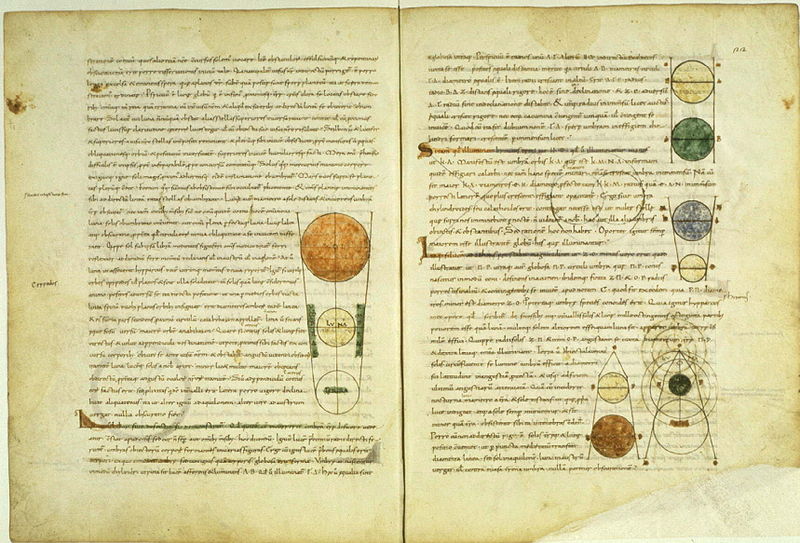
File:Timaeus trans calcidius med manuscript.jpg
Medieval manuscript of Calcidius' Latin
translation of Plato's Timaeus.

John Magee's new translation of the fourth-century Latin commentary of Calcidius on Plato's Timaeus has now appeared, courtesy of Harvard University Press. Check it out here. This should be a very useful resource for anybody tangling with ancient philosophy.
More details from HUP: "Until the Renaissance, the work of Calcidius offered the medieval West almost the only direct access to Plato’s corpus not dispersed in fragments. In the 4th century CE, Calcidius translated into Latin an important section of Plato’sTimaeus, complemented by extensive commentary and organized into coordinated parts. The first part is broadly devoted to the architecture of the world, to its intelligible structure. The second delves into the nature of the living creatures that inhabit it. This basic division subsequently informed the sense of macrocosm and microcosm—of the world and our place in it—which is prevalent in western European thought in the Middle Ages. At the same time, this medieval volume altered perspectives on Plato by drawing on other philosophical traditions, particularly the Stoic and Peripatetic, while including Judeo-Christian cosmology and anthropology. The present edition provides the first English translation of Calcidius’s work."

16 Μαΐου 2016

Divination & Theurgy in Neoplatonism

A new book is out which may be of interest to readers which examines divination and theurgy in Neoplatonism. The book is authored by Crystal Addey and a full review (by Ilinca Tanaseanu-Doebler) was recently posted at the Bryn Mawr Classical Review.
Here is a brief excerpt of the review:
"The study offers a good overview of the ongoing discussion about ritual and religion in early Neoplatonism. Its perspective offers a fresh approach to the general question of theurgy and philosophy by focusing on a specific complex of ritual practices. Thus, it enables a more nuanced discussion and a better understanding of the detailed workings of Neoplatonic discourse on rituals."

8 Μαΐου 2016

Η ΦΙΛΟΣΟΦΙΑ ΤΗΣ ΙΣΤΟΡΙΑΣ ΤΟΥ ΙΟΥΛΙΑΝΟΥ

Μορφή ιερέα που αποδίδεται στον Ιουλιανό.

«Οι ανθρώπινοι όμως πολιτισμοί είναι εύθραυστες οντότητες υποκείμενες σε διαρκείς προκλήσεις, ενώ η Αδράστεια καραδοκεί στήνοντας τους παγίδες. Αν δεν κατορθώσουν να ανταποκριθούν στις πιέσεις που τους κυκλώνουν μένοντας πιστοί στο πνεύμα της παράδοσής τους, τότε οι πολιτισμοί αρχίζουν να εμφανίζουν τα πρώτα συμπτώματα κόπωσης και νόσου. Για τον Ιουλιανό η ύπαρξη μιας πλατωνικής Ιδέας –ενός αιώνιου προτύπου– για κάθε επίγειο πολιτισμό, και η αυτονόητη ευθύνη του έθνους να μείνει πιστό σ’ αυτό το πρότυπο, αποκλείουν την έννοια της παρακμής ως αναφαίρετου επακόλουθου της ιστορικής εξέλιξης. Αν η ιστορία της ανθρωπότητας βρίθει από παραδείγματα πολιτισμών που δεν κατόρθωσαν να διατηρήσουν την επαφή με την παράδοσή τους, αυτό οφείλεται σε παραβάσεις και εγκλήματα που θα μπορούσαν να είχαν αποφευχθεί. Σύμφωνα με την ανάλυση του Ιουλιανού, τα άτομα που, εθελημένα ή αθέλητα, προσβάλουν την εθνική τους παράδοση είναι οι τραγικοί ήρωας που με τις πράξεις τους επισύρουν στον εαυτό τους, στους απογόνους, αλλά και σε ολόκληρο το έθνος τους την ουράνια νέμεση. Αλλά σ’ αυτό το δράμα της ανθρώπινης ιστορίας υπάρχει πάντα η δυνατότητα κάθαρσης. Συχνά, την κρίσιμη ακριβώς στιγμή, εμφανίζεται ο λυτρωτής που θα σώσει τη φυλή του από την καταστροφή εναποθέτοντας τον κλονισμένο της πολιτισμό πάνω στα αρχικά θεμέλιά του».

Πολύμνια Αθανασιάδη, Ιουλιανός. Μια Βιογραφία, Μορφωτικό Ίδρυμα Εθνικής Τραπέζης, Αθήνα 2005, 235.         

5 Απριλίου 2016

New Journal: Studies in Late Antiquity

Studies in Late Antiquity: A JournalΕμφάνιση Εμφάνιση
eISSN: 2470-2048
Elizabeth DePalma Digeser, Editor
Εμφάνιση
Studies in Late Antiquity: A Journal (SLA) is a new online quarterly journal published by the University of California Press. The journal is scheduled to launch in February, 2017.
SLA aims to publish scholarship on a wide range of topics pertaining to the world of Late Antiquity (150 – 750 CE). A defining focus of the journal is fostering multi- and interdisciplinary research that emphasizes the interconnectedness of the Mediterranean with other parts of the late ancient world. Comparative and methodologically innovative papers are especially welcome.
SLA encourages submissions from scholars working in the following regions and languages therein during the period 150-750 CE:
Africa, Anatolia, Arabia, the Baltic, the British Isles, Central and Western Asia, China, Europe, India, the Mediterranean, Persia, Scandinavia
SLA welcomes contributions that explore the following fields and topics:
Archaeology, Cultural Geography (including Cartography), Economics, History (including Cultural History), History of the Arts (including Architecture, Art, and Music), Law, Literature and Rhetoric, Material Culture (including Codicology, Epigraphy, Numismatics, and Papyrology), Historical Demography, Philology, Philosophy, Religion, Theology
Please direct any editorial inquiries including submission inquiries to Elizabeth DePalma Digeser via e-mail at edepalma@history.ucsb.edu

1 Απριλίου 2016

Platonism and Neoplatonism in Numen


image of Numen
The new issue of Numen (volume 63, issues 2-3) features a number of articles on later Platonism and religion in late antiquity. Looking forward to digging into them. The TOC is below, or see the issue online here.

The new issue of Numen (volume 63, issues 2-3) features a number of articles on later Platonism and religion in late antiquity. Looking forward to digging into them. The TOC is below, or see the issue online here.

22 Μαρτίου 2016

Η ενότητα της ελληνικής παιδείας προς χάριν ενός απώτατου σκοπού

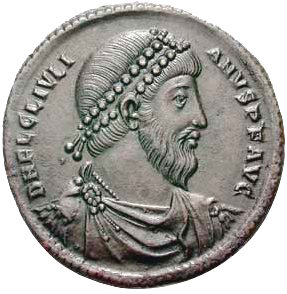
JulianusII-antioch(360-363)-CNG.jpg
Πορτραίτο του Ιουλιανού σε χάλκινο νόμισμα
από την Αντιόχεια, 360-363.


«Από τη μελέτη των γραφών μας ο καθένας θα γινόταν καλύτερος ακόμα κι αν εστερείτο παντελώς φυσικής ικανότητας. Ένας άνθρωπος όμως προικισμένος από τη φύση, που επιπλέον θα τύχει της ημετέρας παιδείας, δεν είναι τίποτε λιγότερο για την ανθρωπότητα από δώρο των θεών, είτε γιατί θ' ανάψει το φως της επιστήμης είτε γιατί θα ιδρύσει κάποιο πολιτικό σύστημα, είτε γιατί θα τρέψει σε φυγή στρατιές πολεμίων είτε γιατί, εξερευνώντας γη και θάλασσα, θ' αποδείξει μ' αυτόν τον τρόπο την ηρωική του φύση».

Ιουλιανός, Κατά Γαλιλαίων 229de.  

21 Μαρτίου 2016

Τα μόνα ασφαλή αγαθά της ζωής


«Ο Θεμίστιος ήξερε, εξίσου καλά με τους σύγχρονούς του ασκητές της ερήμου, πως τα μόνα αγαθά που κατέχει κανείς με ασφάλεια σ' αυτή τη ζωή ανήκουν στον πνευματικό και -ακόμη περισσότερο- στον μεταφυσικό χώρο».


Πολύμνια Αθανασιάδη, Ιουλιανός. Μια Βιογραφία, Μορφωτικό Ίδρυμα Εθνικής Τραπέζης, Αθήνα 2005, 146.

7 Μαρτίου 2016

New edition of the Refutation of All Heresies


One of the most important ancient Christian sources regarding not only Gnosticism, but Elchasai and the Elchasaites, Orphism, Pythagoreanism, and much, much more is the anonymous Refutation of All Heresies. Scholars familiar with the work know the commonly used Greek text (of Marcovich) to be deficient due to the editor's zeal for emendation; meanwhile, the English translation in the Anti-Nicene Fathers series (accessible onlinehere) is not only completely unreliable, but uses a different numbering scheme than we find in Marcovich. A totally revised critical edition of the Greek and English alike has been a desideratum for a long time, and M. David Litwa (U. Virginia) has delivered the goods in this wonderful new edition published by the Society of Biblical Literature. More information is available here.